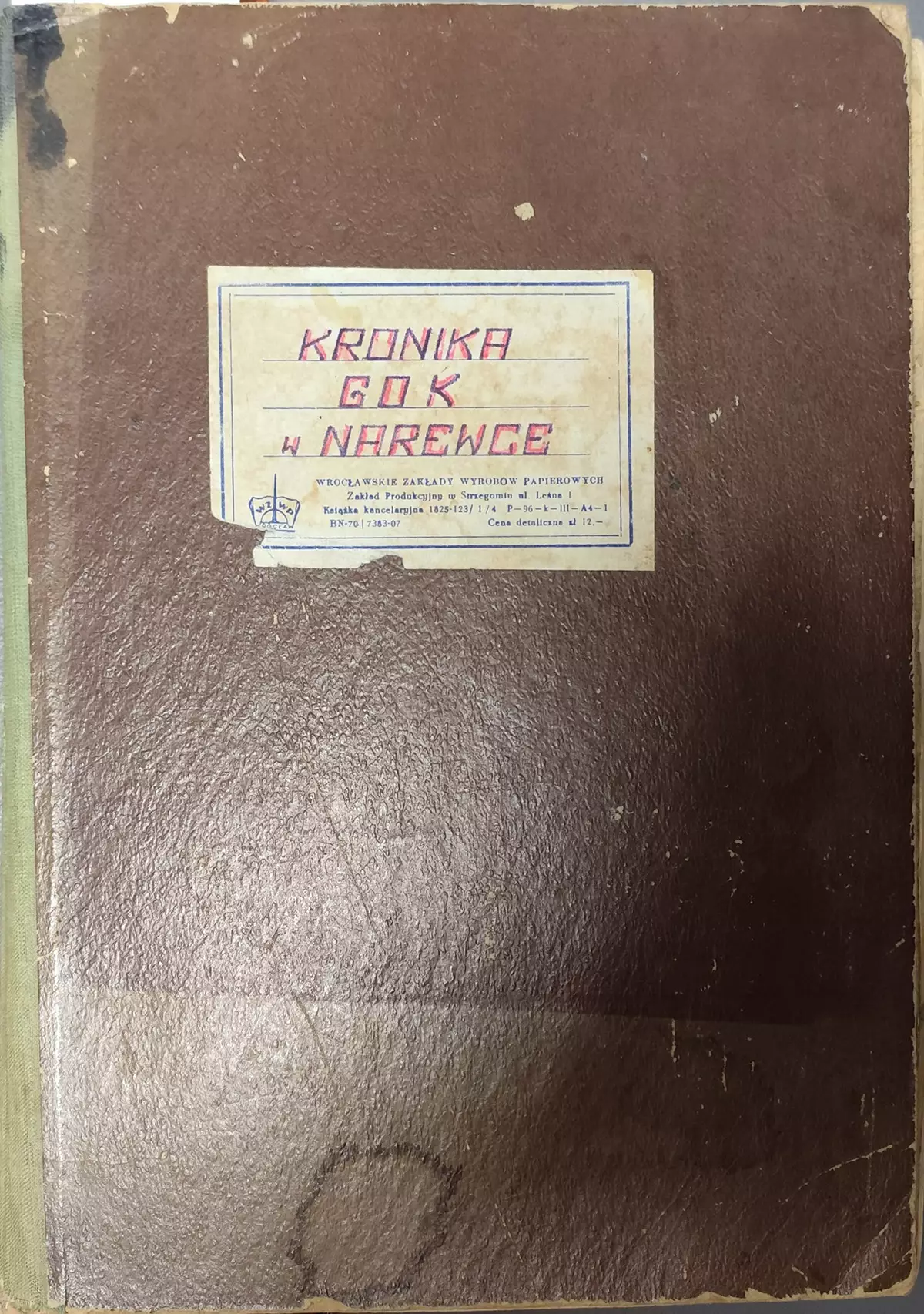
📜 Narewka in the Chronicles – A Historical Overview
📖 Early Settlement
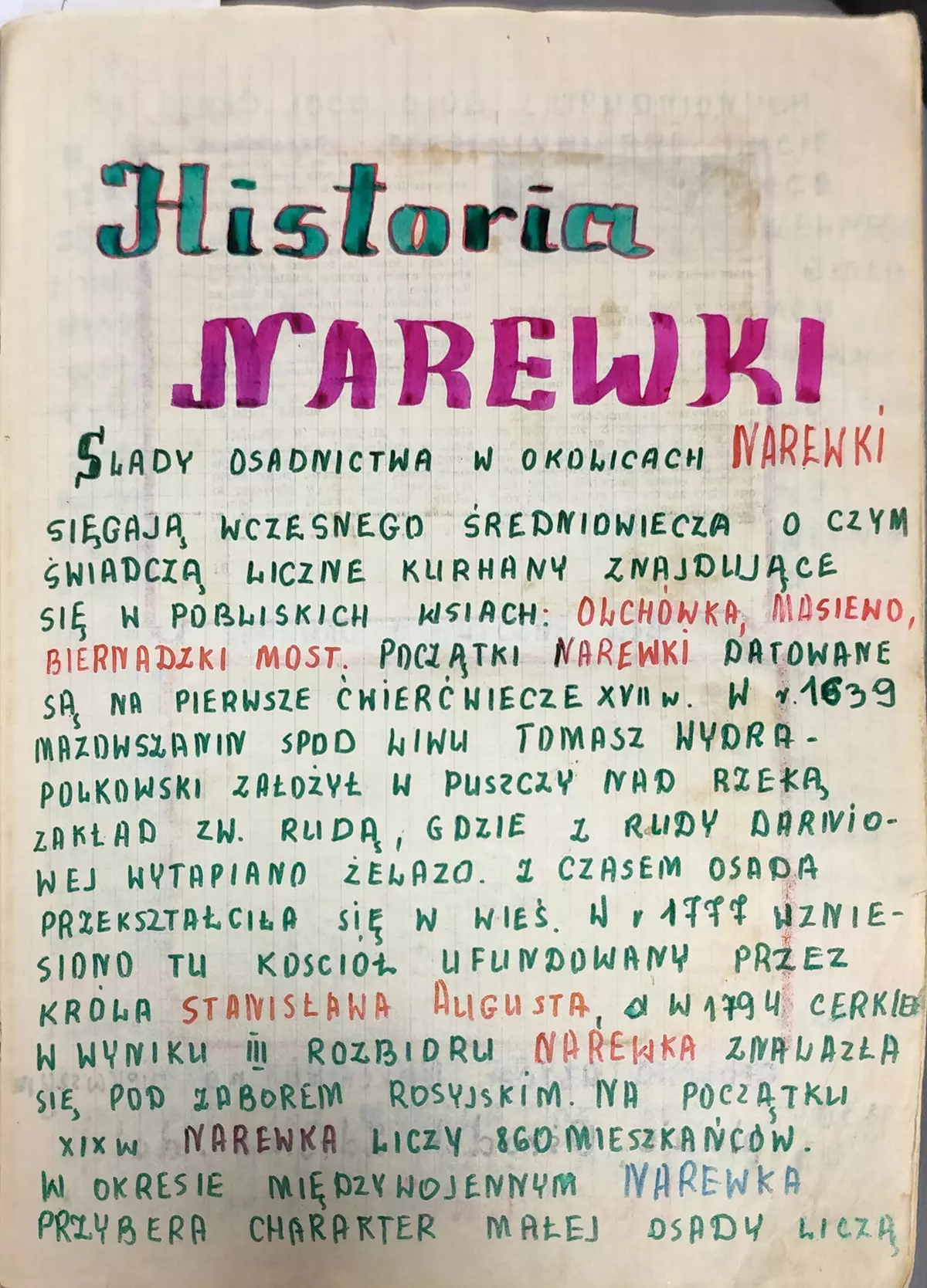
🔹 According to the surviving chronicles, human presence in the Narewka area dates back to the early Middle Ages.
🔹 Numerous burial mounds in nearby villages (Olchówka, Masiewo, Biernadzki Most) confirm early settlement.
🏡 Origins of the Village
🔹 The origins of Narewka are associated with the early 18th century.
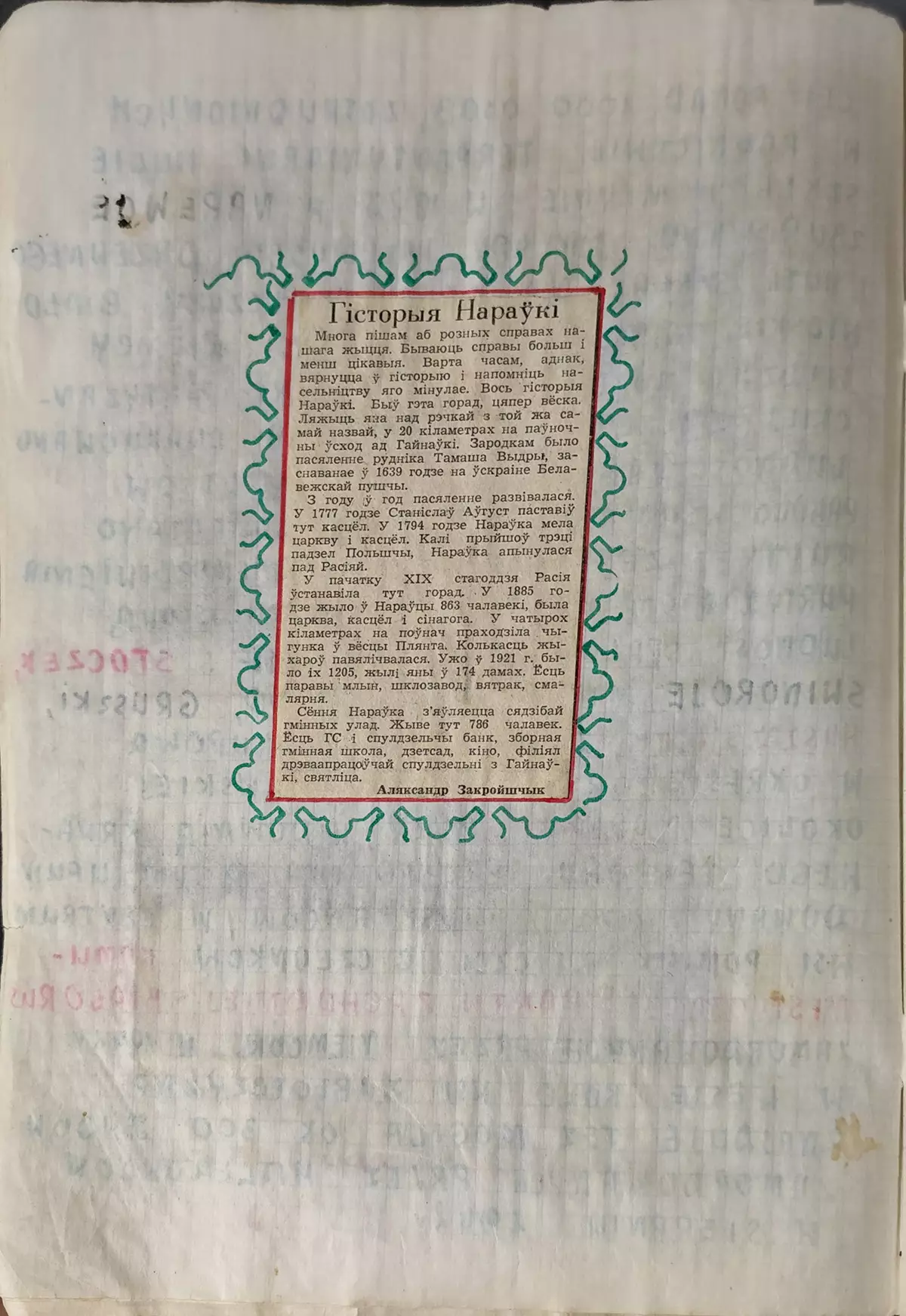
🔹 In 1639, Tomasz Wydra-Polkowski founded an iron-smelting site called “Ruda” in the forest.
🔹 Over time, the settlement grew around the site and became a village.
⛪ Religious Development
🔹 1777 – construction of a church funded by King Stanisław August.
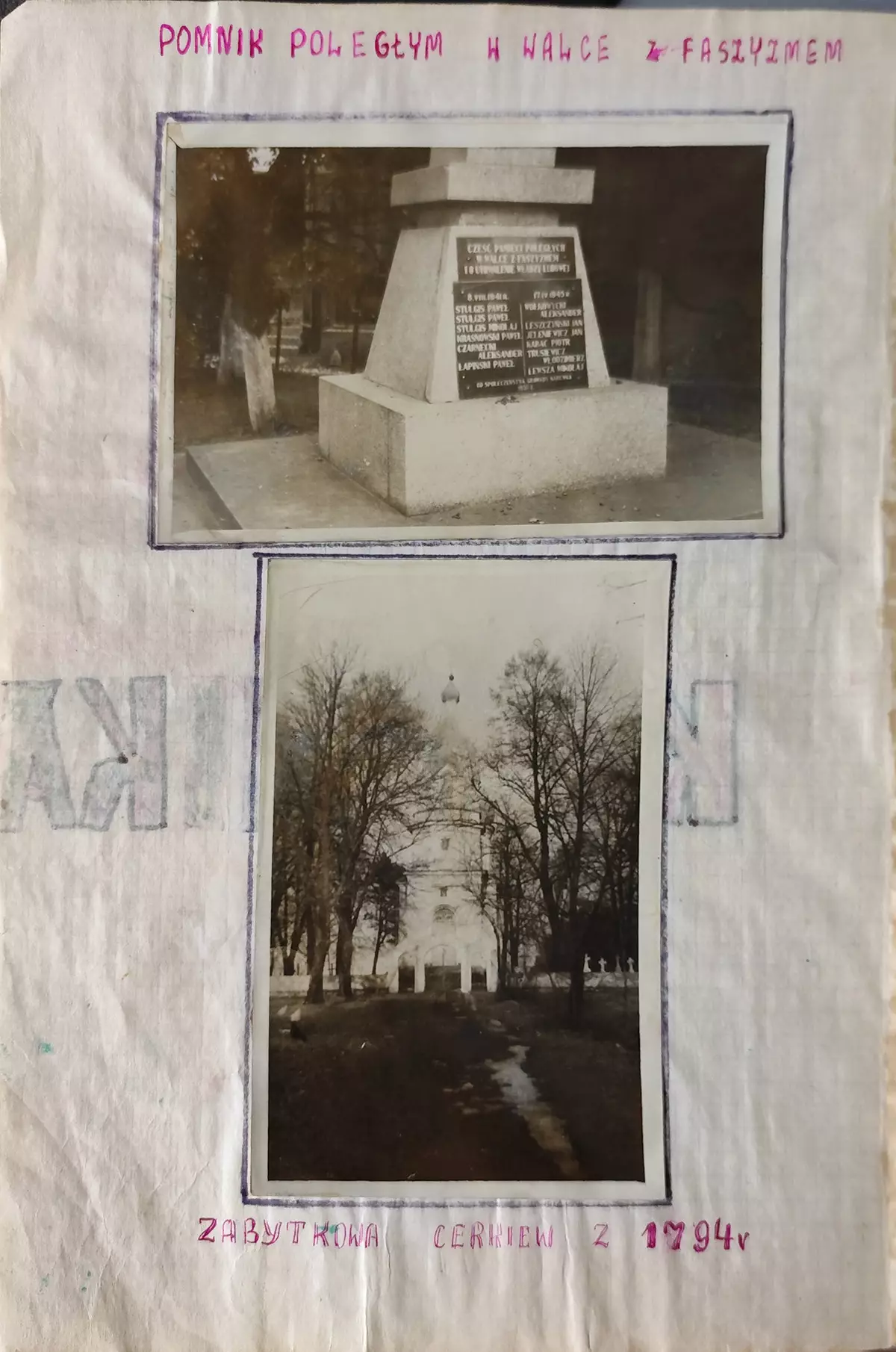
🔹 1794 – construction of a wooden Orthodox church (photograph preserved in the chronicle).
🇷🇺 Under Russian Rule
🔹 After the Third Partition, the region became part of the Russian Empire.
🔹 In the early 19th century, Narewka had about 860 inhabitants.
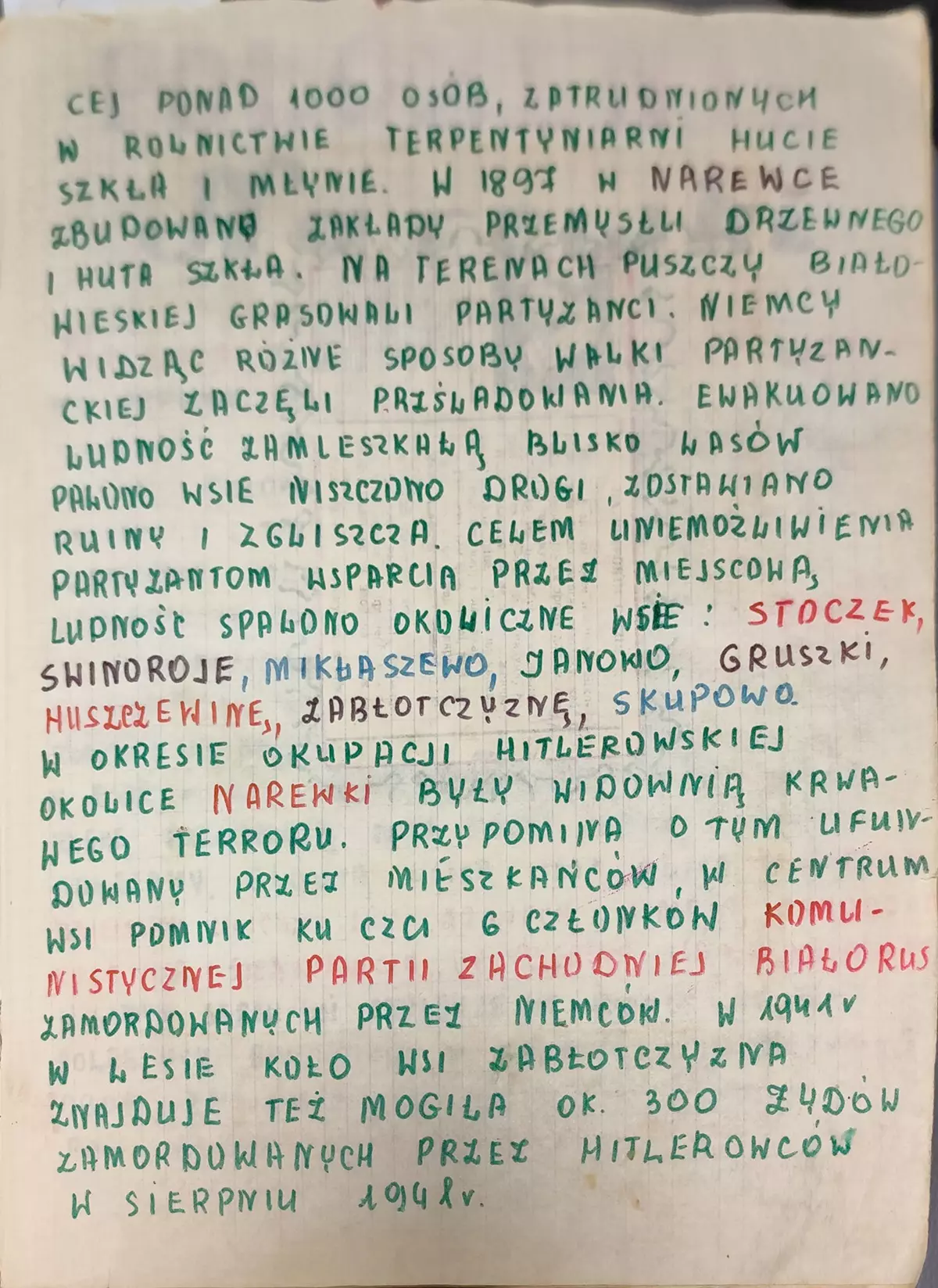
🔹 The chronicle records industrial development: turpentine works, glassworks, sawmills, mills.
🔹 In 1897 a major wood-processing factory and glassworks were built.
🌲 Geographic Setting
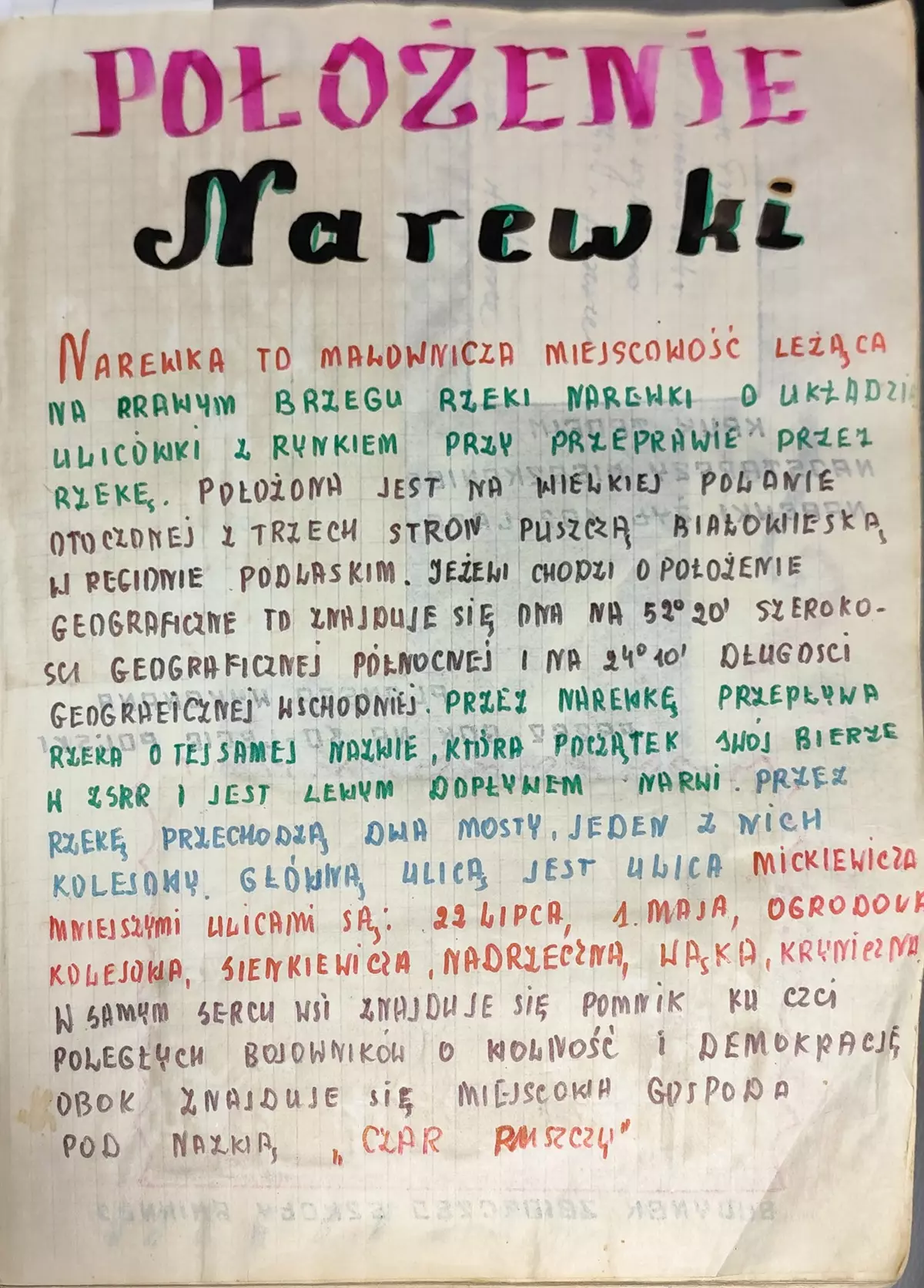
🔹 The chronicle emphasizes Narewka’s location on a clearing surrounded by the Białowieża Forest.
🔹 The Narewka River flows through the village.
🔹 Two bridges crossed the river, including a railway bridge.
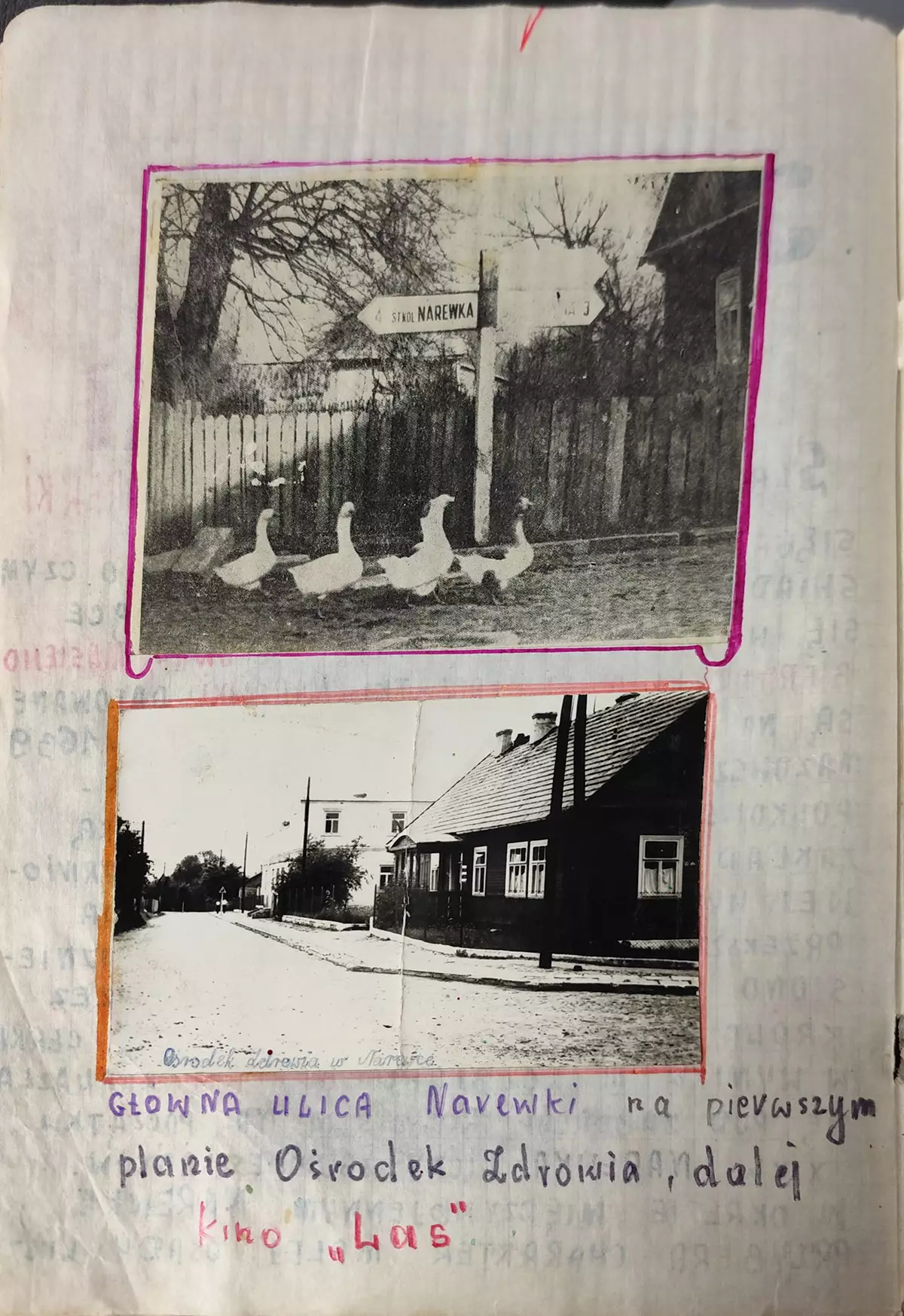
🔹 Main street: Mickiewicza.
🌾 Interwar Period
🔹 The village had over 1,000 inhabitants.
🔹 Employment was provided by agriculture, wood industry, glassworks, turpentine works and mills.
🔹 Institutions included the Health Centre and the “Las” cinema.
🔹 Numerous photographs document the layout of the village at that time.
🔥 World War II
🔹 German forces burned many villages near forests to restrict aid to partisans.
🔹 Destroyed villages: Stoczek, Świnoroje, Mikłaszewo, Janowo, Gruszki, Hulszczewina, Zablotszczyna, Skupowo.
🔹 The chronicle describes a monument dedicated to the fallen in the fight against fascism.
🔹 It also mentions the mass grave of about 300 Jews murdered in 1941.
🕊️ Post-war Years
🔹 Social and cultural life centred around the school and the local cultural centre.
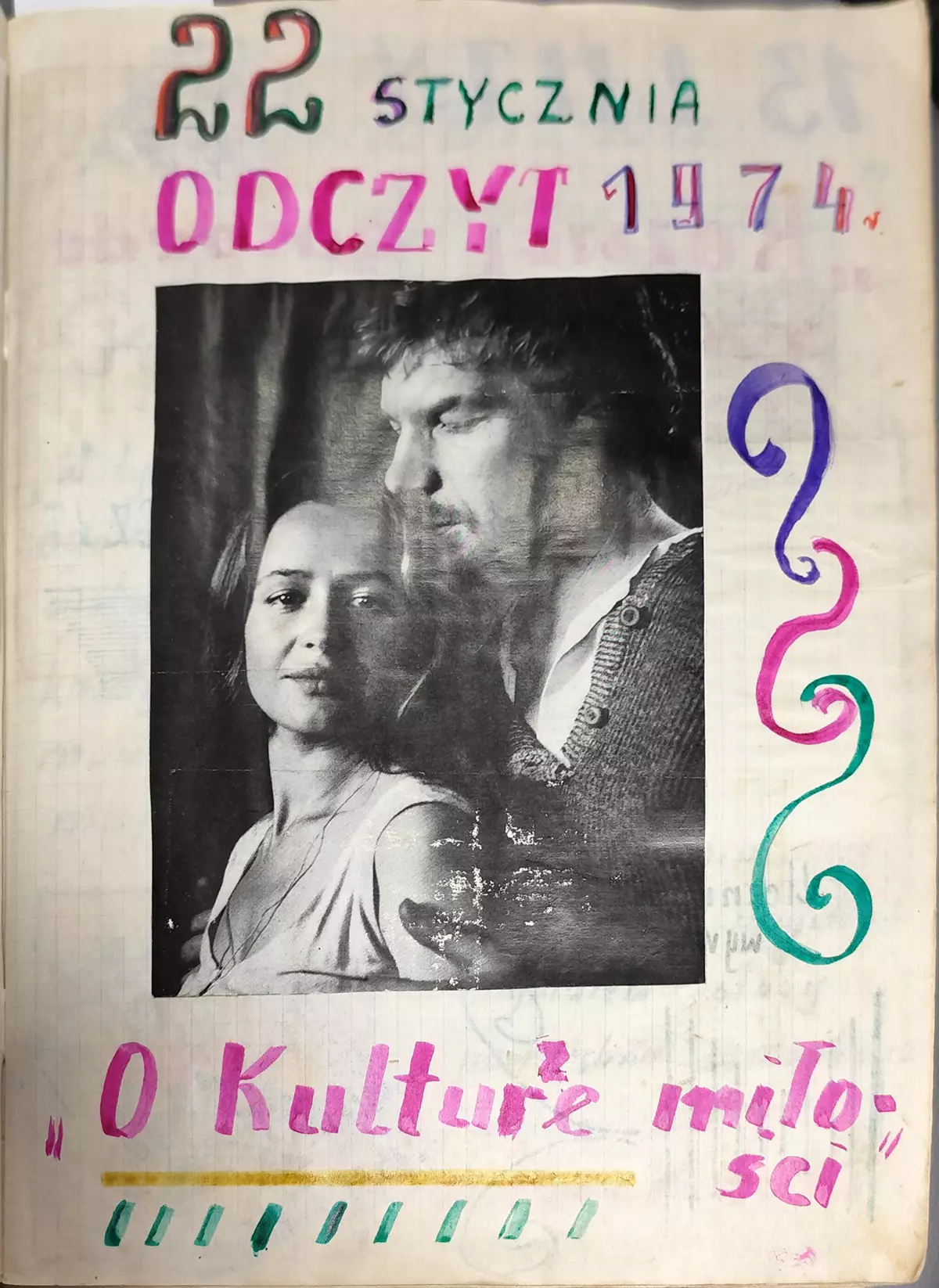
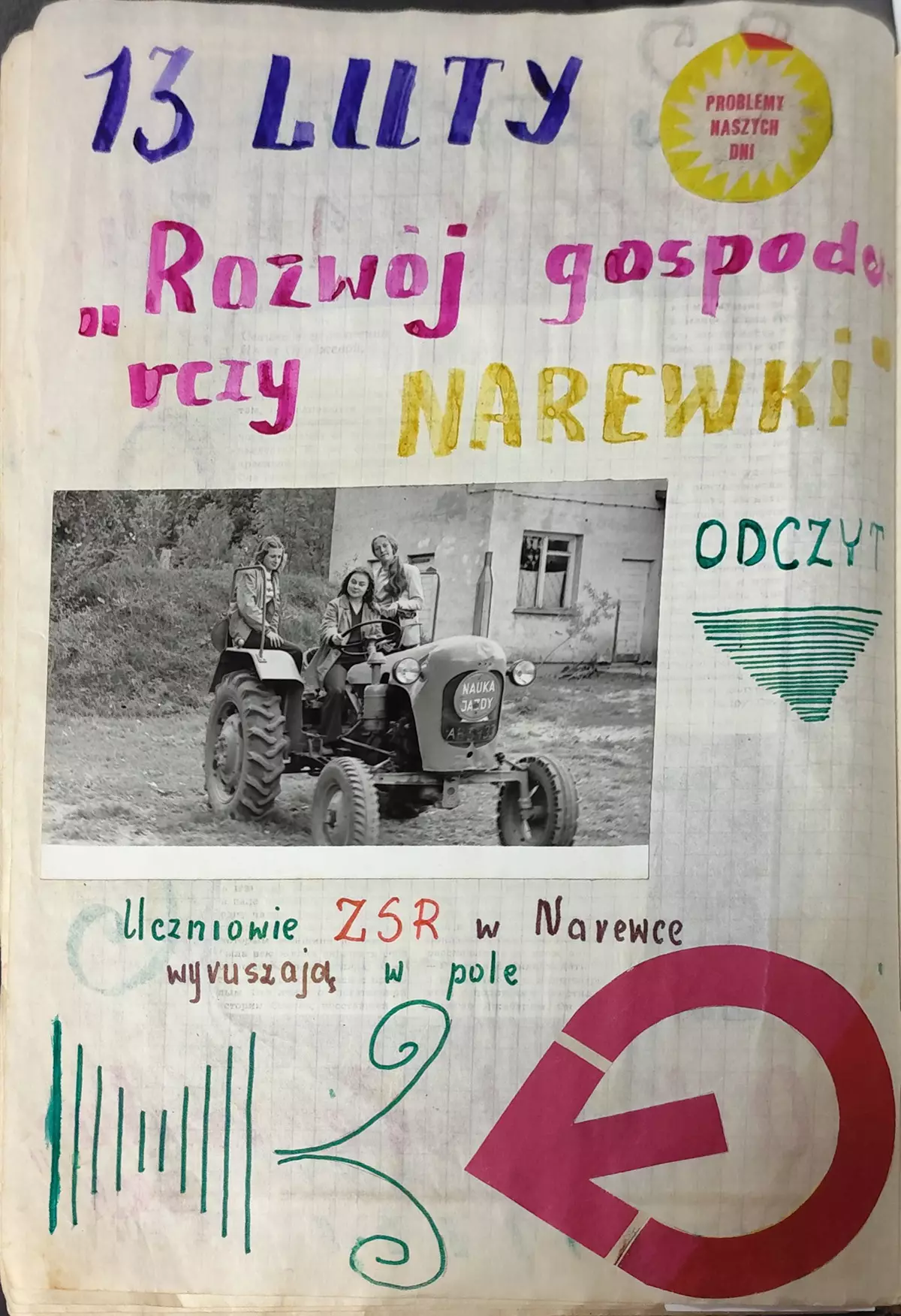
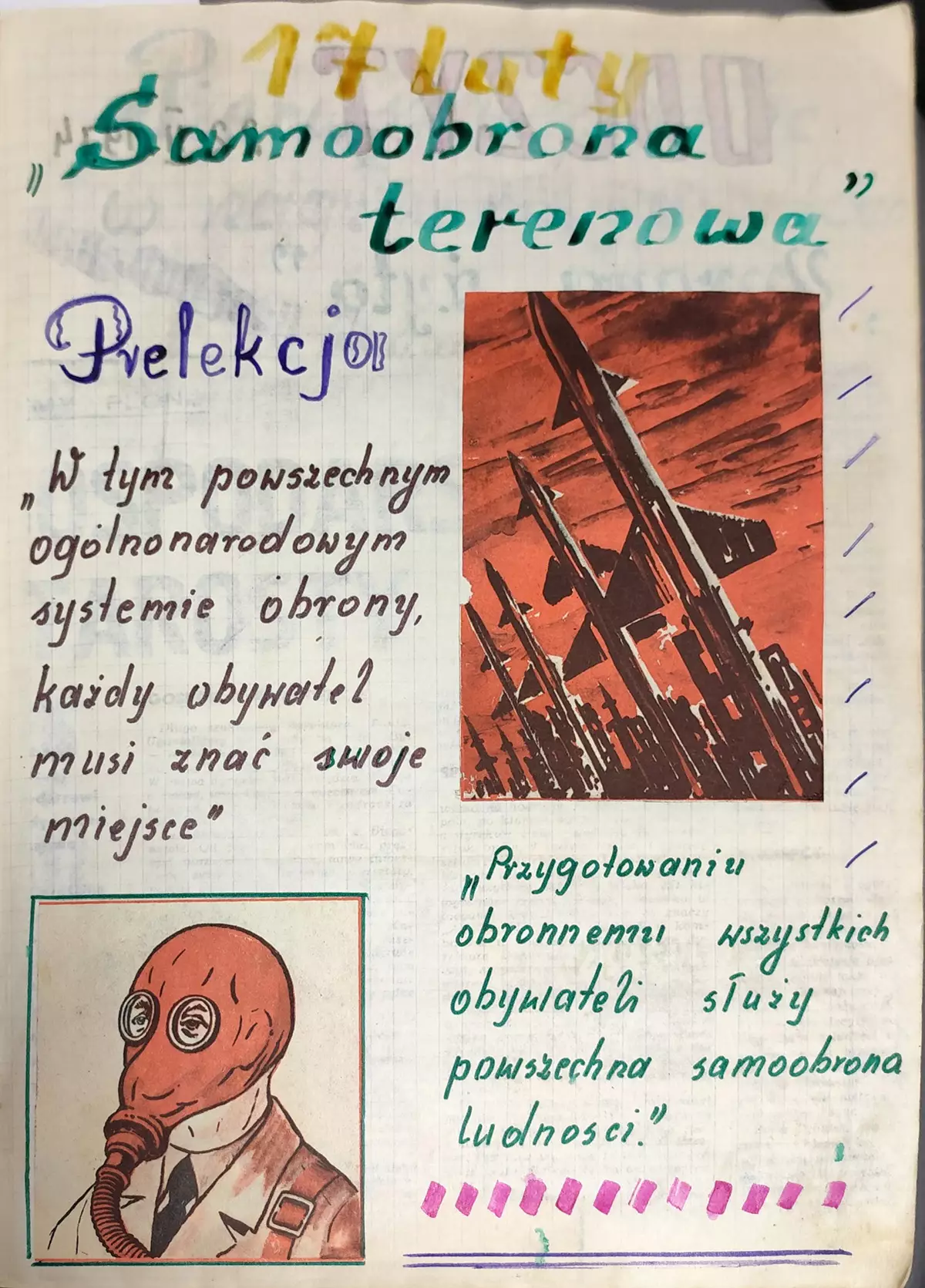
🔹 The chronicle contains many posters, announcements and photographs from the 1970s.
🔹 A photograph of Trofim Kruk, the oldest resident (lived 102 years), is preserved.
📸 Iconography from the Chronicle
🔹 Monument to the fallen.
🔹 Wooden church from 1794.
🔹 Health Centre and “Las” cinema.
🔹 Municipal school building.
🔹 Everyday life recorded in photographs from the 1970s.
🧾 Summary
🔹 The chronicle presents Narewka as a village with a rich past and strong cultural memory.
🔹 It documents its transformation from an industrial settlement to a post-war rural community.





-2023-03-28-12-09-48.webp)